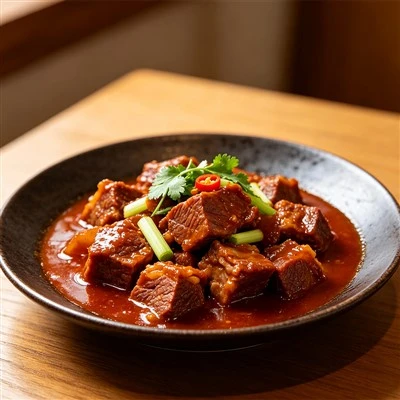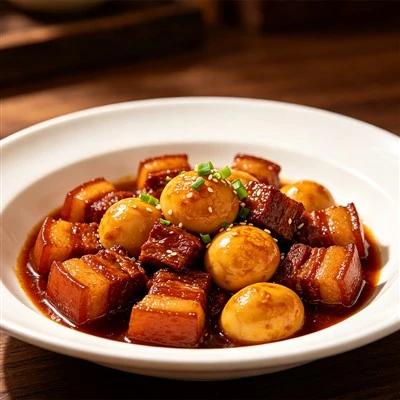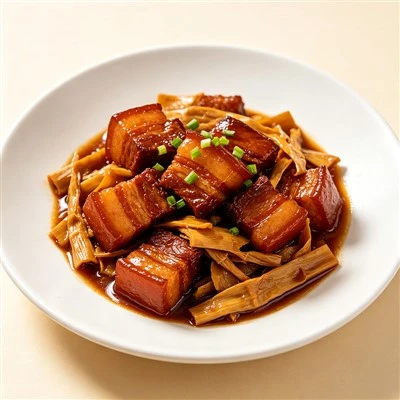

When planning a sumptuous dinner featuring pork belly slow cooker stew, the question of the best starting time is crucial. It impacts not only the taste and texture of the stew but also the overall convenience and dining experience. As a supplier of Pork Belly Stew Slow Cooker, I am well - versed in all aspects related to this delicious dish, from the cooking process to the ideal timing of preparation.
Understanding the Slow - Cooking Process of Pork Belly
Slow cooking is a culinary technique that involves cooking food at a low temperature for an extended period. When it comes to pork belly, slow cooking breaks down the tough connective tissues and renders the fat, resulting in tender, juicy, and flavorful meat. The process typically takes several hours, and the exact time can vary depending on factors such as the size of the pork belly pieces, the recipe, and the power of the slow cooker.
On average, cooking pork belly in a slow cooker takes about 6 - 8 hours on low heat or 3 - 4 hours on high heat. However, some recipes may call for longer cooking times to achieve the perfect level of tenderness. For instance, Chinese Braised Pork Belly Slow Cooker recipes often require slow cooking for up to 10 hours to develop the rich, complex flavors characteristic of Chinese cuisine.
Factors Influencing the Best Starting Time
Several factors should be considered when determining the best time to start making pork belly slow cooker stew for dinner.
1. Dinner Time
The most obvious factor is the time you plan to have dinner. If you usually have dinner at 7 PM, you need to work backward from that time. For a 6 - 8 hour low - heat slow - cooked pork belly stew, you should start around 11 AM - 1 PM. If you prefer to use the high - heat setting, starting at 3 - 4 PM would be appropriate.
2. Preparation Time
Before putting the pork belly in the slow cooker, there is some preparation work to be done. This includes cleaning the pork belly, cutting it into appropriate pieces, and preparing the seasonings and other ingredients. Depending on your cooking skills and the complexity of the recipe, this preparation can take anywhere from 15 minutes to an hour. So, you need to factor this time into your starting schedule.
3. Availability of the Slow Cooker
Sometimes, you might have other slow - cooked dishes planned for the same day or your slow cooker might be occupied with other tasks. Make sure the slow cooker is available when you want to start cooking the pork belly stew.
4. Preference for Flavor Development
If you want the flavors of the stew to meld and intensify further, you can start the slow - cooking process a bit earlier. For example, cooking the stew for 8 hours instead of the minimum 6 hours can result in a more robust and well - rounded flavor. Some people even prefer to let the stew sit in the slow cooker on the warm setting for an additional hour or two after it's fully cooked, which can enhance the flavor even more.
Different Dinner Schedules and Starting Times
1. Early Dinner (Around 5 - 6 PM)
An early dinner is suitable for families with young children or those who prefer an earlier bedtime. For a 6 - 8 hour slow - cooked pork belly stew on the low - heat setting, start preparing the ingredients at around 9 - 11 AM. If you are short on time and want to use the high - heat setting (3 - 4 hours), start at 1 - 2 PM.
2. Regular Dinner (Around 7 - 8 PM)
This is a common dinner time for many people. For low - heat slow cooking, begin the preparation between 11 AM and 1 PM. If you are using high - heat, start around 3 - 4 PM. This gives you enough time to complete the necessary prep work and cook the stew to perfection.
3. Late Dinner (After 8 PM)
If you tend to have dinner late, perhaps due to a busy work schedule or social activities, you can start cooking the pork belly stew later in the day. For low - heat cooking, starting around 2 - 4 PM is fine. With high - heat, you can start as late as 4 - 5 PM, but keep in mind that the flavors may not develop as fully as with a longer slow - cooking time.
Special Considerations for Different Pork Belly Slow - Cooker Recipes
Frozen Dong Po Rou Slow Cooker
When using frozen Dong Po Rou, it will take longer to cook compared to fresh pork belly. You may need to add an extra 1 - 2 hours of cooking time to ensure that the meat is fully thawed and cooked through. So, adjust your starting time accordingly. For example, if a fresh pork belly recipe takes 6 - 8 hours on low, start the frozen Dong Po Rou 7 - 10 hours before dinner for a low - heat cook.
Hong Shao Rou Slow Cooker
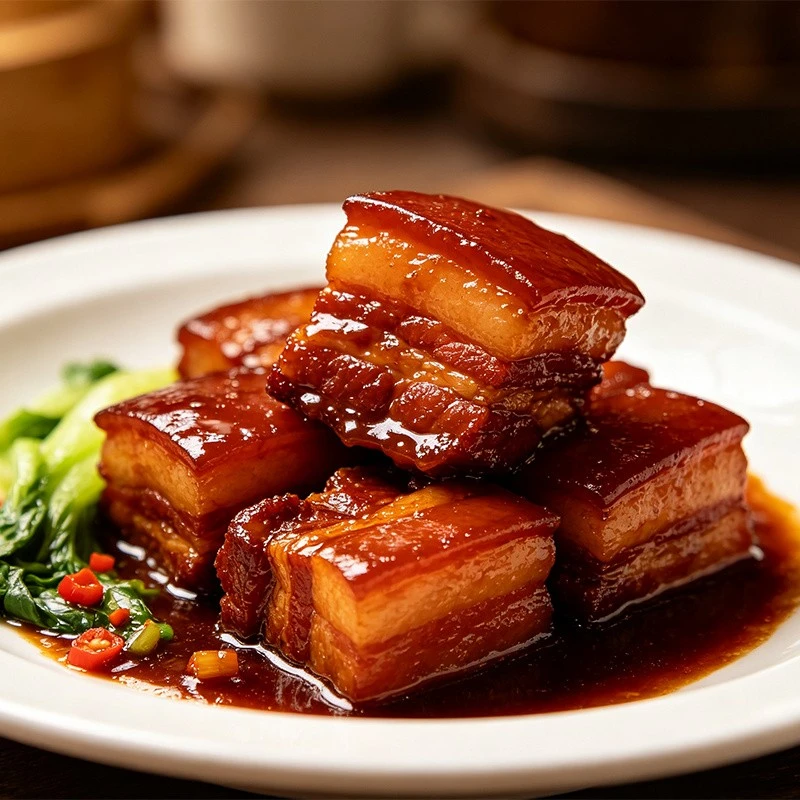
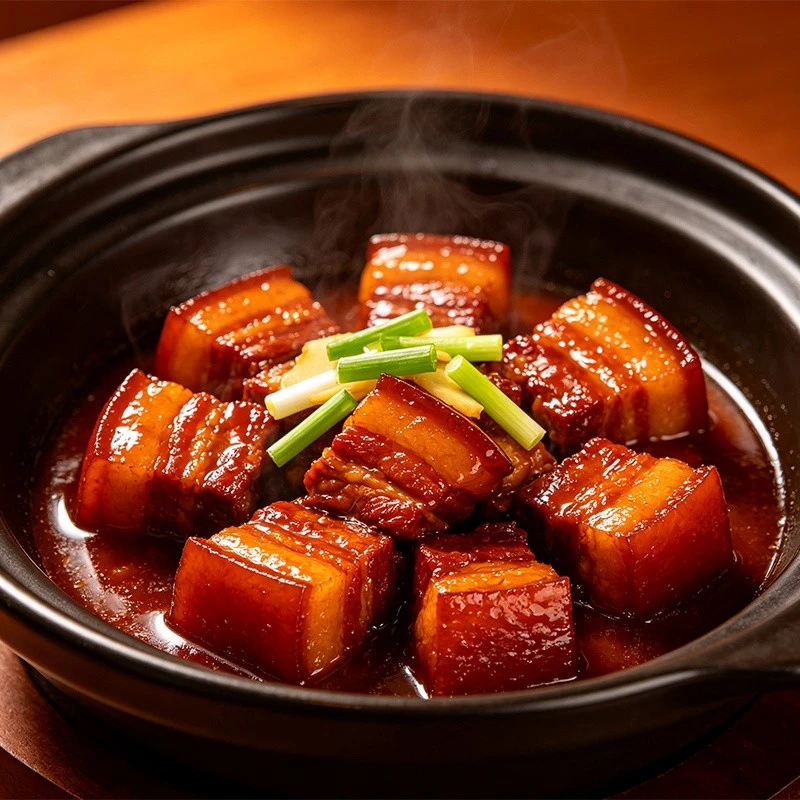
Hong Shao Rou is a classic Chinese dish known for its rich, sweet, and savory flavors. This recipe often involves marinating the pork belly in a mixture of soy sauce, sugar, and other seasonings before slow cooking. The marinating process can take several hours or even overnight, so plan ahead. If you marinate the pork belly overnight, start the slow - cooking process 6 - 8 hours before dinner on the low - heat setting.
Dong Po Pork Belly Slow Cooker
Dong Po Pork Belly is another popular Chinese dish that requires slow cooking to achieve its signature tender and fatty texture. Similar to Hong Shao Rou, the flavor of Dong Po Pork Belly develops over time. You can start the slow - cooking process 8 - 10 hours before dinner on low heat to bring out the best flavors.
Conclusion and Call to Action
In conclusion, the best time to start making pork belly slow cooker stew for dinner depends on multiple factors, including your dinner time, preparation time, and the specific recipe you are using. By carefully considering these factors and planning ahead, you can ensure that your pork belly stew is cooked to perfection and ready to be enjoyed at the ideal moment.
As a supplier of high - quality Pork Belly Stew Slow Cooker, we are committed to providing you with the best products to help you create delicious meals. Whether you are a home cook or a professional chef, our slow cookers are designed to meet your needs. If you are interested in learning more about our products or wish to discuss a potential purchase, please feel free to contact us for further details.
References
- "The Science of Slow Cooking" by Cook's Illustrated.
- "Chinese Cuisine: A Culinary Exploration" by Fuchsia Dunlop.