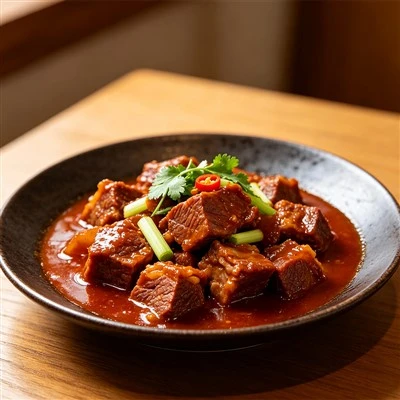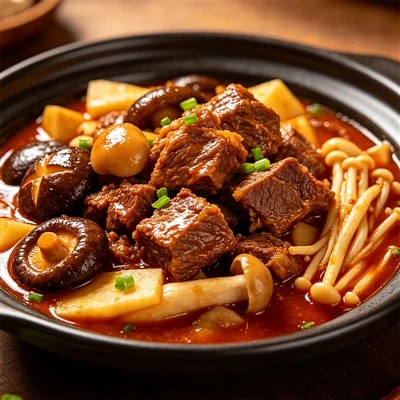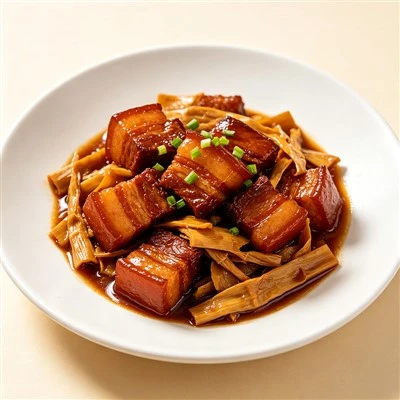

As a supplier specializing in Braised Beef with Beef Tripe, I've delved deep into the art of cooking this delectable dish. One of the most debated topics in the culinary world of beef and tripe braising is undoubtedly the timing of adding seasonings. This seemingly simple question can significantly influence the final taste, texture, and overall quality of the dish. In this blog, I'll share my insights and experiences on the best time to add seasonings when making Braised Beef with Beef Tripe.
The Basics of Seasoning in Braised Beef with Beef Tripe
Before we dive into the timing, it's essential to understand the role of seasonings in this dish. Seasonings not only enhance the flavor but also help tenderize the beef and beef tripe, and preserve the dish. Common seasonings used in Braised Beef with Beef Tripe include soy sauce, ginger, garlic, star anise, cinnamon, cloves, and rock sugar. Each seasoning brings its unique flavor profile to the table, and the combination creates a rich, savory, and aromatic taste.
Early Seasoning: The Case for Starting Early
Adding seasonings at the beginning of the cooking process has several advantages. First, it allows the flavors to penetrate the beef and beef tripe more deeply. When the meat is first exposed to the seasonings, the pores are open, and the flavors can seep in more easily. This results in a more evenly seasoned dish with a stronger flavor base.
Second, early seasoning can help tenderize the meat. Some seasonings, such as soy sauce, contain enzymes that can break down the connective tissues in the beef and beef tripe, making them more tender. By adding these seasonings early, the tenderizing process can start right away, resulting in a more succulent and juicy final product.
For example, when I start cooking Braised Beef with Beef Tripe, I usually heat some oil in a pot and add sliced ginger, garlic, and star anise. I then stir-fry them until fragrant before adding the beef and beef tripe. This initial step not only infuses the meat with the flavors of the seasonings but also helps to seal in the juices.
Mid-Cooking Seasoning: The Balance Approach
Adding seasonings in the middle of the cooking process can also be a great option. This approach allows you to adjust the flavor according to the progress of the cooking and the taste preferences of your customers. For instance, if you find that the dish is starting to taste a bit too salty or spicy, you can reduce the amount of soy sauce or chili peppers you add.
Mid-cooking seasoning also gives you the opportunity to add some fresh ingredients that can enhance the flavor of the dish. For example, you can add a handful of fresh coriander or spring onions in the middle of the cooking process to add a burst of freshness and aroma.
In my experience, I often add rock sugar and a bit more soy sauce about halfway through the cooking process. The rock sugar caramelizes and adds a sweet and rich flavor to the dish, while the additional soy sauce deepens the color and flavor of the stew.
Late Seasoning: The Finale Touch
Adding seasonings towards the end of the cooking process can provide a final boost of flavor and aroma. This approach is especially useful when you want to add some delicate seasonings that can be easily overpowered by other stronger flavors or lost during long cooking times.
For example, I often add a splash of cooking wine and some white pepper powder in the last few minutes of cooking. The cooking wine evaporates quickly, leaving behind a rich and fragrant flavor, while the white pepper powder adds a subtle spiciness and freshness to the dish.
Another advantage of late seasoning is that it allows you to control the seasoning level more precisely. You can taste the dish and adjust the amount of seasoning according to your preference, ensuring that the final product has the perfect balance of flavors.
Comparing with Other Braised Beef Dishes
To better understand the importance of seasoning timing in Braised Beef with Beef Tripe, let's compare it with other popular braised beef dishes, such as Braised Beef with Mushroom, Braised Beef with Tomato, Braised Beef Brisket with Radish, and Frozen Red Cooked Beef.
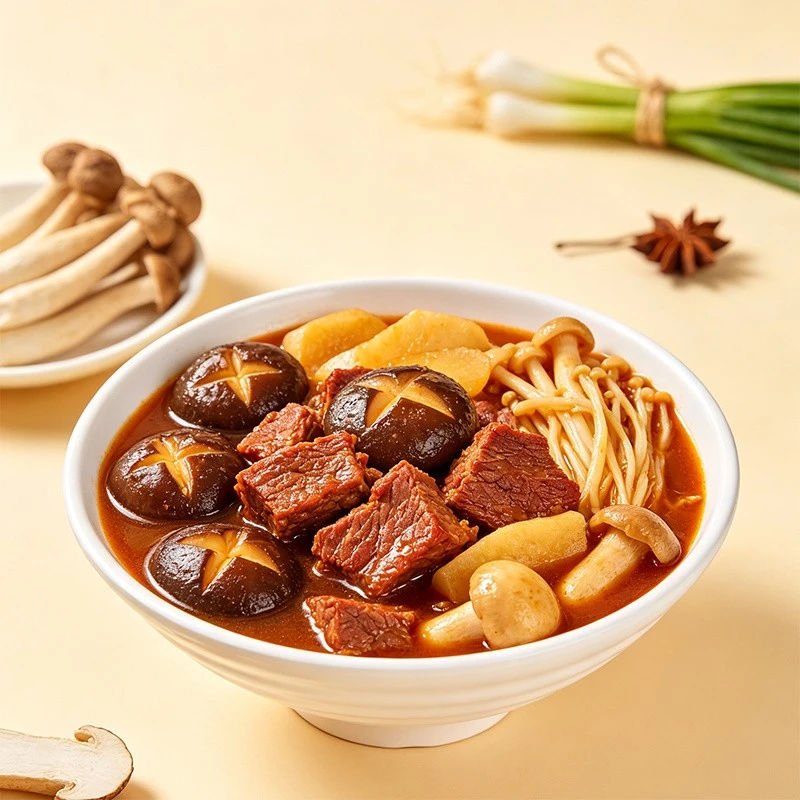
In Braised Beef with Mushroom, since mushrooms have a strong absorption capacity, adding seasonings early can help the mushrooms soak up the flavors more effectively. However, adding some fresh herbs like thyme or rosemary towards the end can enhance the aroma of the dish.
In Braised Beef with Tomato, tomatoes are usually added in the middle of the cooking process. The acid in the tomatoes can help tenderize the meat, and adding some sugar at the end can balance the acidity and enhance the sweetness of the dish.
In Braised Beef Brisket with Radish, radish is a relatively mild ingredient, so adding seasonings early can help it absorb the flavors better. However, adding some scallions or cilantro at the end can add a fresh and crunchy element to the dish.
In Frozen Red Cooked Beef, since the beef is already cooked and frozen, adding seasonings during the reheating process can help restore the flavor and improve the taste. Adding some garlic or ginger can also help eliminate any freezer taste.
Conclusion and Call to Action
In conclusion, the best time to add seasonings in Braised Beef with Beef Tripe depends on various factors, including the type of seasonings, the cooking method, and personal taste preferences. Whether you choose to add seasonings early, in the middle, or at the end of the cooking process, the key is to achieve a harmonious balance of flavors and ensure that the beef and beef tripe are tender and delicious.
As a supplier of Braised Beef with Beef Tripe, I'm committed to providing high-quality products that meet the diverse needs and tastes of my customers. If you're interested in purchasing our Braised Beef with Beef Tripe or have any questions about the cooking process, please don't hesitate to contact me for more information. I'm always here to help you enjoy the best Braised Beef with Beef Tripe experience.
References
- "The Science of Cooking: How and Why Food Changes" by Peter Barham
- "Culinary Arts: A Comprehensive Introduction" by Linda C. Walker
- "The Professional Chef" by The Culinary Institute of America