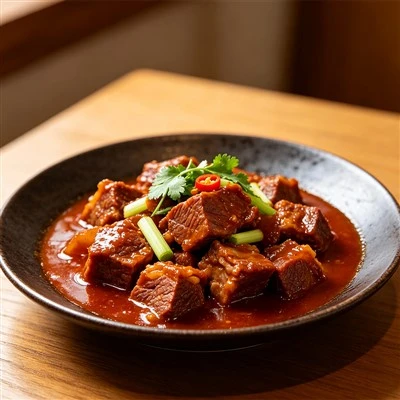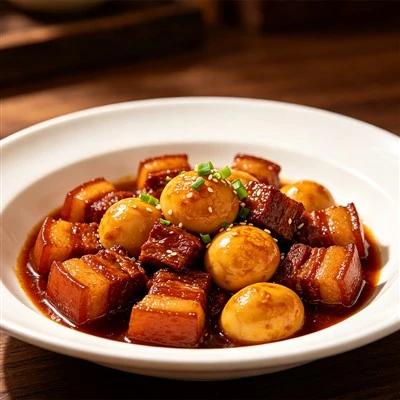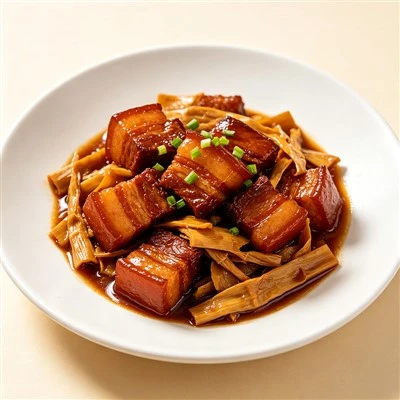

As a reputable supplier of Frozen Chinese Pork Braised, I understand the importance of ensuring you get the most out of our product. One common question that customers often ask is how to defrost frozen Chinese pork braised properly. In this blog post, I'll share some scientific and practical methods to help you defrost this delicious culinary classic with ease.
Why Proper Defrosting Matters
Before we delve into the defrosting methods, it's crucial to understand why proper defrosting is essential. Defrosting affects not only the taste and texture of the Frozen Chinese Pork Braised but also its food safety. When frozen food is thawed incorrectly, it can lead to the growth of harmful bacteria, which may cause foodborne illnesses. Additionally, improper defrosting can result in a loss of moisture, making the meat tough and less flavorful.
Method 1: Refrigerator Defrosting
Refrigerator defrosting is the safest and most recommended method for defrosting Frozen Chinese Pork Braised. This method allows the meat to thaw slowly and evenly, minimizing the risk of bacterial growth.
Steps:
- Place the frozen Chinese pork braised in a shallow dish or on a plate to catch any drips.
- Put the dish with the meat in the refrigerator. Make sure to keep it on a lower shelf to prevent any juices from dripping onto other food items.
- Allow the meat to thaw in the refrigerator for an appropriate amount of time. As a general rule, it takes about 24 hours for every 5 pounds (2.27 kg) of meat. So, if you have a 1-pound (0.45 kg) portion of Frozen Chinese Pork Braised, it will take approximately 4 - 5 hours to thaw completely.
- Once the meat is fully thawed, you can store it in the refrigerator for up to 2 days before cooking.
The advantage of refrigerator defrosting is that it maintains the quality of the meat, keeping it tender and juicy. However, it does require some planning ahead as it takes a relatively long time.
Method 2: Cold Water Defrosting
If you need to defrost the Frozen Chinese Pork Braised more quickly and don't have the luxury of time to use the refrigerator method, the cold water defrosting method is a good alternative.
Steps:
- Seal the frozen Chinese pork braised tightly in a leak - proof plastic bag. Make sure to remove as much air as possible from the bag to prevent any water from seeping in.
- Fill a large bowl or sink with cold water. Place the sealed bag of meat in the water.
- Change the water every 30 minutes to ensure that the water remains cold. This helps to speed up the defrosting process and also reduces the risk of bacterial growth.
- Depending on the size of the meat, it can take anywhere from 1 - 3 hours to defrost. A small 1 - pound (0.45 kg) portion may take about 1 hour, while a larger 3 - pound (1.36 kg) portion could take up to 3 hours.
- Once the meat is thawed, cook it immediately. Do not refreeze the meat after it has been thawed using the cold water method.
The cold - water defrosting method is faster than the refrigerator method but requires more attention as you need to change the water regularly.
Method 3: Microwave Defrosting
Microwave defrosting is the quickest way to defrost Frozen Chinese Pork Braised, but it should be used with caution. This method can unevenly defrost the meat, leaving some parts partially cooked while others are still frozen.
Steps:
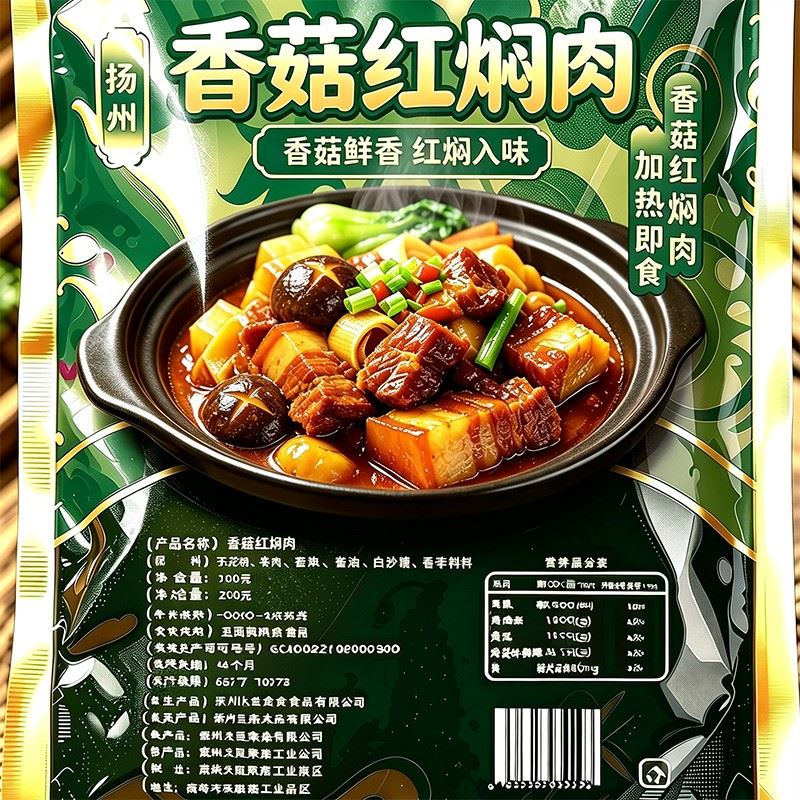
- Place the frozen Chinese pork braised on a microwave - safe plate. Make sure to cover the meat with a microwave - safe lid or plastic wrap, leaving a small vent to allow steam to escape.
- Use the defrost setting on your microwave. Most microwaves have a defrost function that is based on the weight of the food. Follow the manufacturer's instructions for defrosting meat.
- Check the meat every 1 - 2 minutes and turn it over to ensure even defrosting. If you notice any parts of the meat starting to cook, stop the microwave immediately and let the residual heat finish the defrosting process.
- Once the meat is thawed, cook it right away.
Microwave defrosting is convenient when you're in a hurry, but it may not result in the best quality of meat compared to the other two methods.
Cooking the Defrosted Chinese Pork Braised
After successfully defrosting the Frozen Chinese Pork Braised, you can cook it using various methods. One popular way is to use a slow cooker. Our Pork Belly Stew Slow Cooker recipe is a great option. The slow - cooking process allows the flavors to meld together, resulting in a tender and flavorful dish.
If you prefer a more traditional Chinese - style braised pork belly, you can follow our Chinese Braised Pork Belly Slow Cooker or Hong Shao Rou Slow Cooker recipes. These recipes use a combination of soy sauce, sugar, ginger, and other seasonings to create a rich and delicious sauce that permeates the pork belly.
Final Thoughts
Defrosting Frozen Chinese Pork Braised is not a difficult task, but it does require some knowledge and attention to ensure the best results. Whether you choose the refrigerator, cold water, or microwave defrosting method, always remember to prioritize food safety and follow the proper steps.
If you're a restaurant owner, a caterer, or simply someone who loves to cook and entertain, our Frozen Chinese Pork Braised is a great addition to your menu. We source only the highest - quality pork and use traditional Chinese cooking methods to ensure that our product is not only delicious but also authentic.
If you're interested in purchasing our Frozen Chinese Pork Braised or any of our other products, we'd love to have a conversation with you. Reach out to us to start a procurement discussion and find out how we can meet your needs.
References
- "The Science of Thawing Food." USDA Food Safety and Inspection Service.
- "Cooking Frozen Foods." Food and Drug Administration.
- Chinese Cuisine: Traditional Recipes and Cooking Techniques. [Author's name]